







Trusted by
Leading Brands










Complete Digital Products, not just Isolated Development Tasks
Full stack projects can range from a custom business portal to a headless ecommerce storefront. We focus on the user experience, the business logic behind it and the integrations needed to make the product useful.
Custom Web Applications
Customer portals, internal systems, dashboards, SaaS products and business applications with custom frontend and backend requirements.
Shopify Custom Apps
Custom Shopify apps for store-specific workflows, integrations, data synchronization, admin tools and functionality that goes beyond standard theme capabilities.
Headless Ecommerce
Flexible ecommerce frontends using Shopify, Medusa.js or WooCommerce with modern frameworks such as Next.js or Hydrogen.
Corporate & Content Platforms
Modern websites using Next.js and headless CMS platforms such as Strapi for flexible content management and reusable page sections.
API & System Integrations
Connect ecommerce, CRM, ERP, payment, shipping, marketing or other business platforms through available APIs and custom middleware.
Existing Application Development
Take over, improve or extend an existing application with new features, bug fixing, integrations, architecture improvements and ongoing support.
One Team across Frontend, Backend and Integrations
The exact stack depends on the product. We can work end to end or take responsibility for one part of an existing application while coordinating with your internal team.
Fast, Responsive User Experiences
Build modern interfaces for web applications, ecommerce stores and content platforms using reusable components and responsive layouts.
- React
- Next.js
- Angular
- Tailwind CSS
- SCSS
APIs, Business Logic and Application Services
Develop backend systems that handle application logic, authentication, data, integrations and business workflows.
- Node.js
- NestJS
- TypeScript
- Python
Custom Apps for Shopify Workflows and Integrations
Build Shopify custom apps for store-specific workflows, admin tools, data synchronization, external-system integrations and business logic that should live outside the theme.
- Shopify APIs
- Webhooks
- External APIs
- Custom Admin Interfaces
- Middleware
- Data Synchronization
Separate the Storefront from the Commerce Backend
Build flexible headless storefronts when a standard theme-based architecture is not enough for the required experience or frontend control.
- Shopify + Hydrogen
- Shopify + Next.js
- Medusa.js + Next.js
- WooCommerce + Next.js
Flexible Content Management with a Modern Frontend
Give content teams an editable CMS while keeping the frontend independent, fast and reusable across different page types.
- Next.js + Strapi
- Dynamic Content Blocks
- SSR/SSG
- Webhook Revalidation
Launch and Maintain the Application
Support deployment, hosting configuration, environment setup and ongoing application improvements based on the project architecture.
- AWS
- Azure
- Vercel
- Render
- Netlify
- Amplify
- Strapi Cloud
A modern stack selected around the product, not around one framework.
We choose technologies based on the application requirements, existing systems, team preferences, scalability and long-term maintainability. The stack below reflects the technologies our full stack work commonly uses.
Frontend
Backend
Commerce & CMS
Cloud & Deployment
Examples of the Type of Full Stack Work We Handle
These are representative implementation patterns based on recent project work and the types of architecture our team supports.
Shopify + Next.js / Hydrogen
Build a custom storefront while Shopify continues to manage core commerce data and operations. Suitable where the frontend experience needs more flexibility than a standard theme.
Shopify · Hydrogen or Next.js · Vercel · APIs
Medusa.js +
Next.js
Use a modular commerce backend with a custom Next.js storefront for projects that require greater control over commerce logic and frontend architecture.
Medusa.js · Next.js · Node.js · Cloud deployment
WooCommerce + Next.js
Keep WordPress or WooCommerce as the CMS/commerce backend while delivering a separate frontend experience using Next.js.
WordPress · WooCommerce · Next.js · APIs
Next.js + Strapi
Build content-rich corporate websites with reusable content modules, SSR/SSG rendering and webhook-based revalidation so published CMS changes can update the frontend efficiently.
Next js · Strapi · Dynamic Zones · SSR SSG · Webhooks
Real Projects across Headless Commerce, Custom Apps and Integrations
These projects show how our full stack team works across frontend experiences, backend logic, ecommerce platforms, APIs and external systems to solve different business requirements.
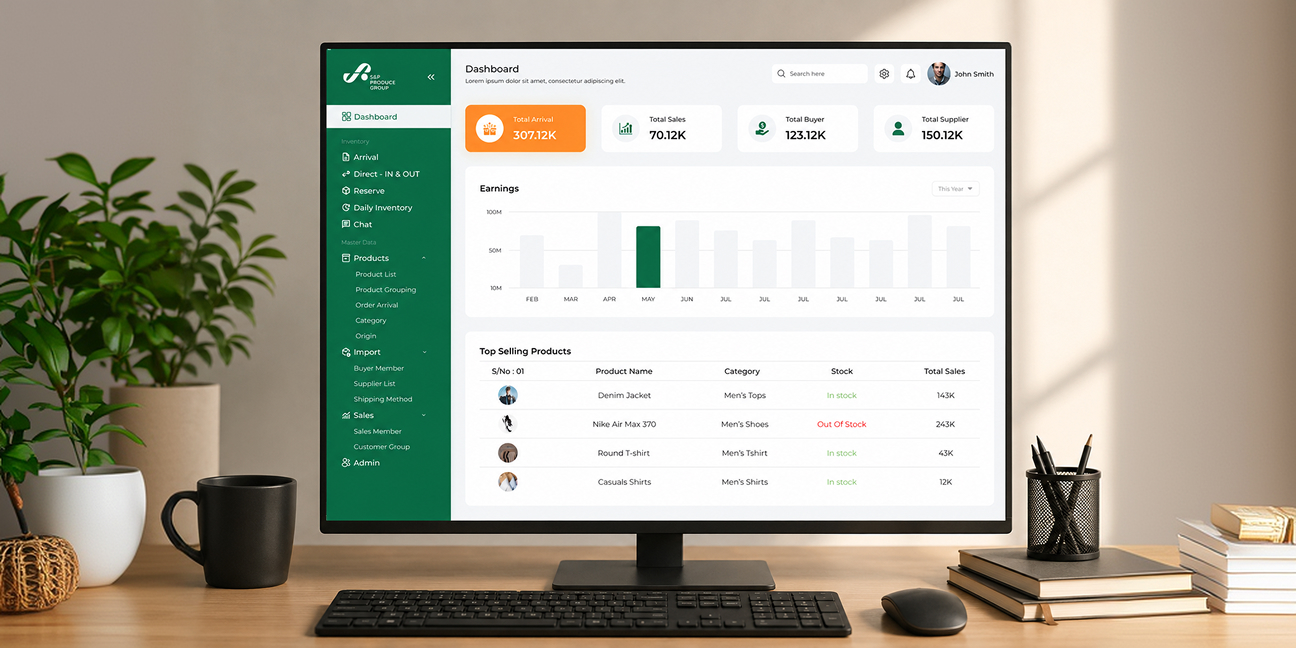
S&F Product Group: Full Stack SaaS Inventory Management Platform with Real-Time Stock Control
See how Dynamic Dreamz developed a full-stack SaaS inventory management platform for S&F Product Group with real-time stock control.
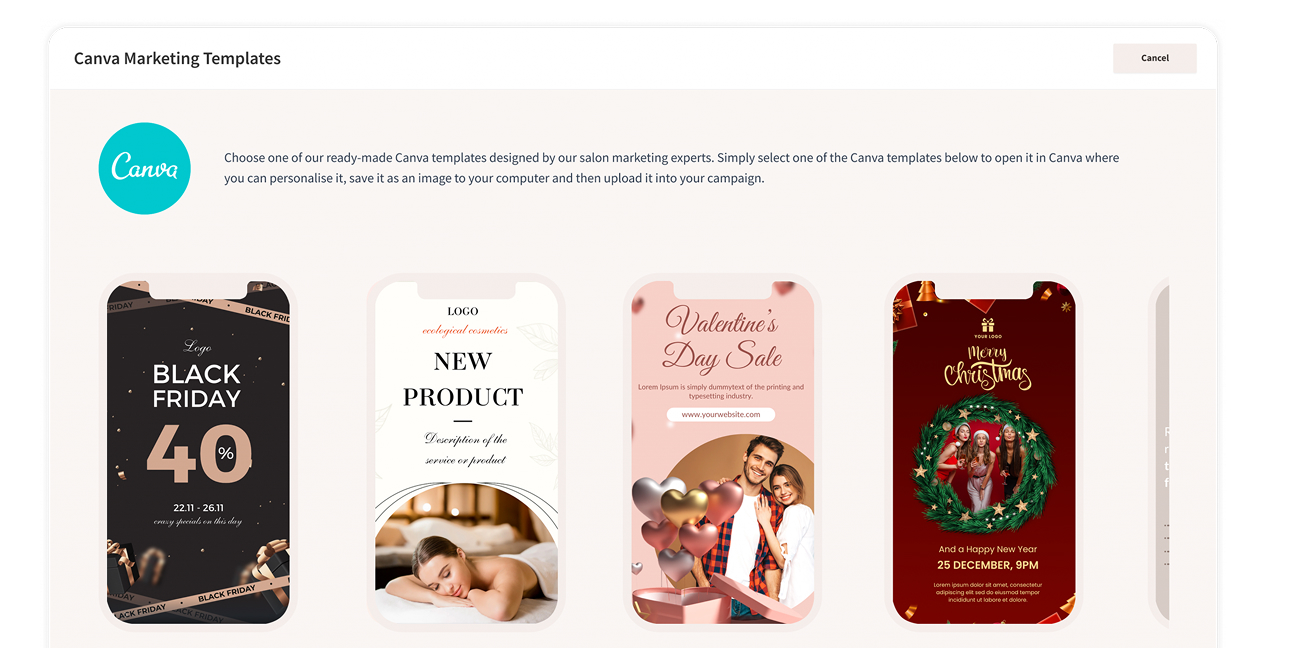
Beauty Software: Cloud-Based Salon, Spa & Beauty Clinic Management Platform
See how Dynamic Dreamz developed a cloud-based salon, spa and beauty clinic management platform with connected operational workflows.

BluBox Medical: Custom ERP Platform Unifying Customer, Vendor, Pricing & Order Management
See how Dynamic Dreamz developed a custom ERP platform for BluBox Medical covering customer, vendor, pricing and order management workflows.
From Requirements to a Maintainable Production Application
Full Stack development works best when the architecture, integrations and user experience are planned together before implementation begins.
Understand the Product
Review users, workflows, current systems, required features and the business outcome.
Define Requirements
Break down features, integrations, technical requirements and priorities into a clear development scope before implementation begins.
Plan the Architecture
Choose the frontend, backend, CMS or commerce platform, APIs and deployment approach.
Design & Build
Develop the user interface, application logic, APIs and integrations around the approved scope.
Develop the Application
Build the frontend, backend services, APIs, business logic and integrations around the approved architecture and scope.
QA & Integration Testing
Test the main user journeys, integrations, devices, browsers and deployment environment.
Launch & Support
Deploy the application, monitor the release and continue development as the product evolves.
Improve & Support
Continue with feature development, bug fixes, performance improvements, integrations and technical enhancements as the product evolves.
A Full Stack Team that also Understands Ecommerce and Product Delivery
Many projects cross multiple disciplines. Our wider team can coordinate full stack development with ecommerce, Shopify, UI/UX, mobile and QA requirements where the project needs them.
Frontend to Deployment
One team can work across the user interface, backend services, integrations and deployment rather than splitting the product across multiple vendors.
Strong Commerce Understanding
Our ecommerce background is especially useful for Shopify custom apps, headless storefronts and integrations involving store operations.
Use the Right Stack
We do not force every project into one framework. The stack is selected around the product, existing systems and long-term requirements.
Continue after Launch
We can support feature development, bug fixing, integrations and technical improvements after the first release.
Don't Just Take Our Word For It
Hear directly from the clients who have worked with Dynamic Dreamz across Shopify, ecommerce and long-term development engagements.



Shari Leidich Max Sweets

We have been using dynamic dreams for four, maybe five years now. I can't say anything but the most positive things. They are diligent, professional, competitively priced.


Rebekah Wymer Myla Jane
Hi, I’m Rebecca, owner of Myla Jane. I’ve worked with Dynamic Dreams on several web development projects, and they always do an excellent job.


Thommas Linnrose Art Copenhagen
Their support has allowed us to focus on growing our brand instead of worrying about technical issues and using time on this. Their support has allowed us to focus on growing our brand instead of worrying about technical issues and using time on this.


Zoe wang Maison Zifan
Gaurav always explained to me what truly happens here and how we can improve it in the future. So we are very happy with the results, and we will continue to work with Gaurav and his team in the foreseeable future. So I highly recommend him.


Clinton De Vere Clinton De Vere Art
In 2025, I hired Gaurav and his team at Dynamic Dreams to upgrade my Shopify art shop, and the experience was seamless from start to finish. Communication was clear and prompt, Gaurav was patient with all my questions, and every issue or request was handled quickly and effectively.


Fernando Arias LGXNDS
Dynamic Dreamz is amazing because they're able to work on Shopify and WordPress platforms, which are essential to my businesses, and being able to scale them.
And if you are looking for an amazing website developer on Shopify or WordPress, I recommend Dynamic Dreamz.


Alec Torelli Conscious Poker
Gaurav at Dynamic Dreamz excels in web design and development, demonstrating flawless communication, reliability, and confident autonomy, streamlining project execution.


William Petz Quite Events
Just 7 days post-launch, our sales surged by 12% owing to its advanced features; their expertise and swift updates impressed us, genuinely recommending their Services!


William ST Baker Elite Element Electronics
In six months, Dynamic Dreamz revamped our website, turning it from error-ridden to seamlessly functional and visually appealing, significantly enhancing our digital presence.

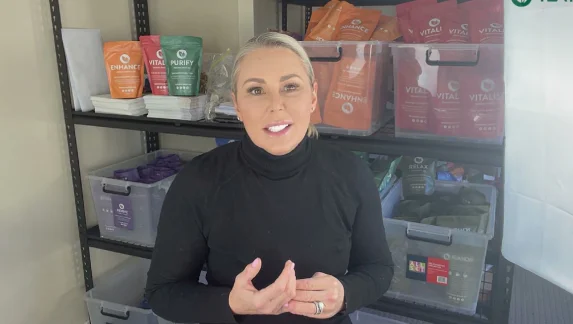
Kerri Imrie teanow.com.au
Dynamic Dreamz and Gaurav's invaluable expertise and support were instrumental in our success, making them a reliable choice for any digital agency needs.

Brandon USA
Dynamic Dreamz excels in web development with unmatched responsiveness, professionalism, and quality assurance, highly recommended for all projects.
Questions clients ask before starting a full stack project
Simple answers about custom applications, Shopify apps, headless development, technology choices, deployment and ongoing support.
What full stack development services does Dynamic Dreamz provide?
We build custom web applications, ecommerce platforms, Shopify custom apps, headless websites, API integrations and backend systems. We can work across frontend, backend, databases, CMS platforms, cloud deployment and ongoing support.
Can you build a complete application from frontend to backend?
Yes. Depending on the project, our team can handle the user interface, frontend application, backend APIs, database integration, authentication, third-party services, deployment and ongoing maintenance.
Do you build Shopify custom apps?
Yes. We build Shopify custom apps for store-specific workflows, integrations, admin tools, data synchronization and custom functionality. The solution can connect Shopify with external systems, APIs or custom business logic based on the requirement.
Do you work with headless ecommerce?
Yes. We work with headless architectures such as Shopify with Hydrogen or Next.js, Medusa.js with Next.js, and WooCommerce or WordPress with a decoupled frontend when a headless approach fits the project.
Can you build a headless CMS website?
Yes. We can build websites using frontend frameworks such as Next.js with a headless CMS such as Strapi, giving content teams an editable CMS while keeping the frontend flexible and performance-focused.
Which frontend technologies do you use?
Our frontend work commonly includes React, Next.js, Angular, Tailwind CSS and SCSS. The technology is selected based on the project requirements, existing stack and long-term maintainability.
Which backend technologies do you use?
Our backend work can include Node.js, NestJS, TypeScript and Python, along with APIs, databases, authentication and integrations required by the application.
Can you take over an existing full stack application?
Yes. We can review an existing codebase, identify the current architecture and dependencies, and support bug fixing, feature development, integrations, performance improvements and ongoing maintenance.
How do you deploy full stack applications?
Deployment depends on the application architecture. We work with platforms such as AWS, Azure, Vercel, Render, Netlify, Amplify and Strapi Cloud where appropriate.
How much does full stack development cost?
Cost depends on the application scope, number of screens, backend complexity, integrations, data requirements and deployment setup. We can work on a project basis, hourly support or an ongoing dedicated-development model.